

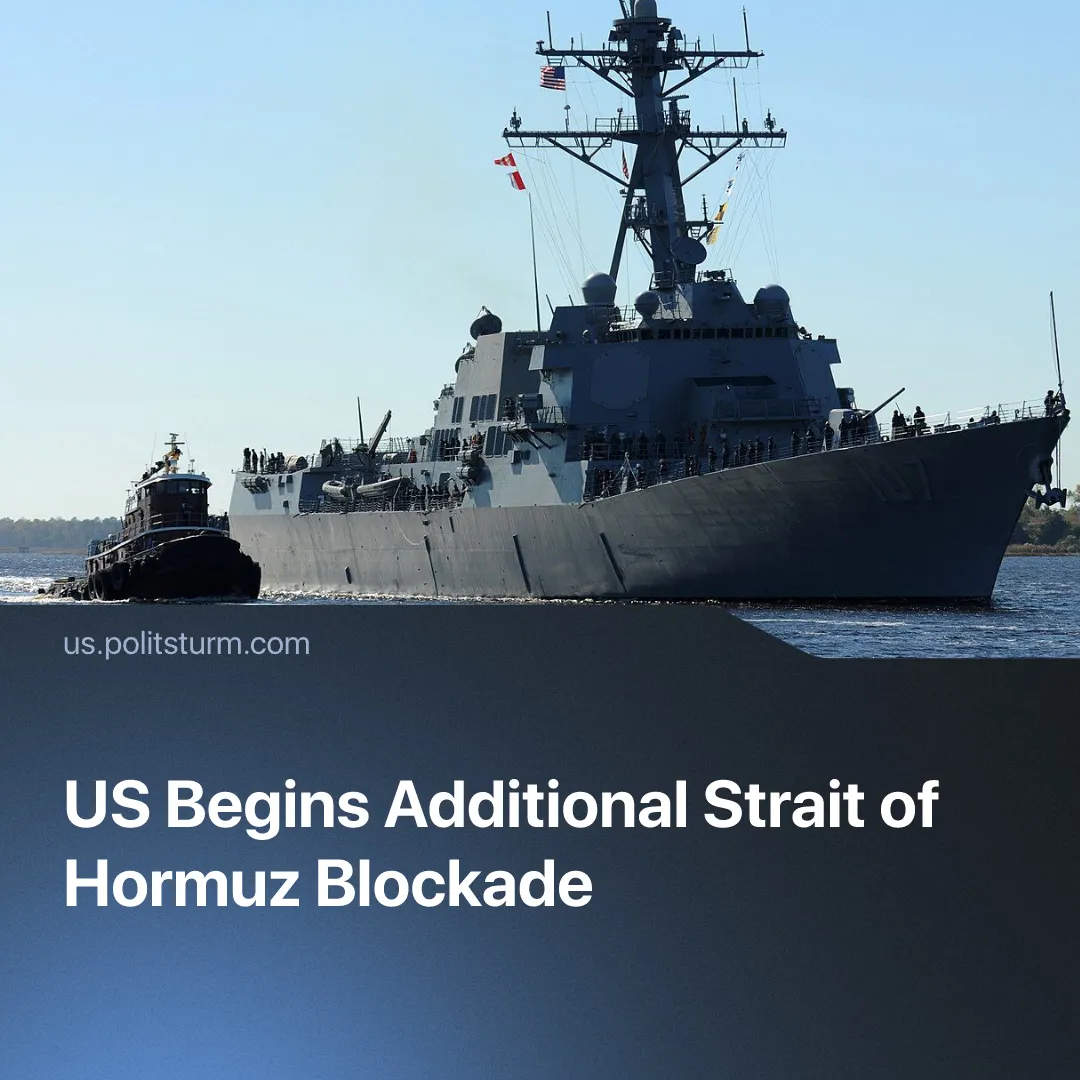
After failed peace negotiations, the US has imposed its own blockade of the Strait of Hormuz, aiming to cut off China’s supplies.
Details. Following the quick collapse of US-Iran peace talks in Islamabad, President Trump threatened to destroy “the little that is left of Iran”, saying that the US “will never be extorted” and that the US would move to blockade the Strait of Hormuz and intercept all maritime traffic entering and exiting Iranian ports.
► United States Central Command (CENTCOM) explained that a blockade of Iranian ports would begin at 10 a.m. EDT on Monday, 5:30 pm. The blockade is to be enforced “impartially against vessels of all nations entering or departing Iranian ports and coastal areas”, but clearly targets China, the biggest customer of Iranian oil. Vessels using non-Iranian ports are allowed to cross the US blockade.
► 17 vessels transited through the Strait on Saturday 11 when negotiations took place, with China confirming on Monday 13 that three of its vessels have made it through the Iranian blockade. This comes in stark contrast to the average 140 vessels daily that transited before 28 February. Since the beginning of the American blockade, the US has stated that eight Iran-linked tankers have been intercepted.
► Despite the US blockade, a Chinese vessel passed through the Strait on Tuesday 14. China has warned the US to not interfere with its trade, whilst Russia also expressed its opposition and the UN Maritime Chief explained that this closure is against international law and sets a “dangerous precedent”.
Context. Previously in March, Iran had announced that the Strait was closed and any ships attempting to pass through would be fired upon – this was met with protests from China. Tehran began formalising a $1 per barrel of oil toll system for ships affiliated to friendly countries – such as China, Russia and India – to be paid in either Chinese yuan or stablecoins to pass through. This temporarily put Beijing at a sharp advantage over its Western competitors.
► Iranian crude oil accounts for 13.4% of China’s seaborne imports and nearly one third of its total oil supply passes through the Strait of Hormuz. The USA’s war aims not only at undermining Iran as a local imperialist power, but similarly to Trump’s actions in Venezuela, ultimately aims at weakening China.
Important to Know. The American blockade of the Strait aims to undermine the advantages that China was drawing from its friendly relationship with Iranian capitalists. Iran’s selective blockade accelerated dedollarisation by enforcing the yuan as global oil-trading currency, turning the US attack on Beijing’s sphere of influence into an opportunity for Chinese imperialist gains.
► This action also positions the US Navy to cut off a substantial share of China’s oil supplies, allowing the American capitalists to induce a deeper crisis on their rival economy.
► Since the ceasefire, which China reportedly pressured Iran to accept, Beijing has allegedly dispatched a major weapons shipment to shore up the Iranian military. Similarly to the ‘SMO’ in Eastern Europe, the Middle East conflict is becoming a direct frontline between the US and Chinese imperialist spheres. The escalation of both blocs’ actions to control the Strait of Hormuz show the capitalist imperative to attack rivals’ trade and secure vital routes.