

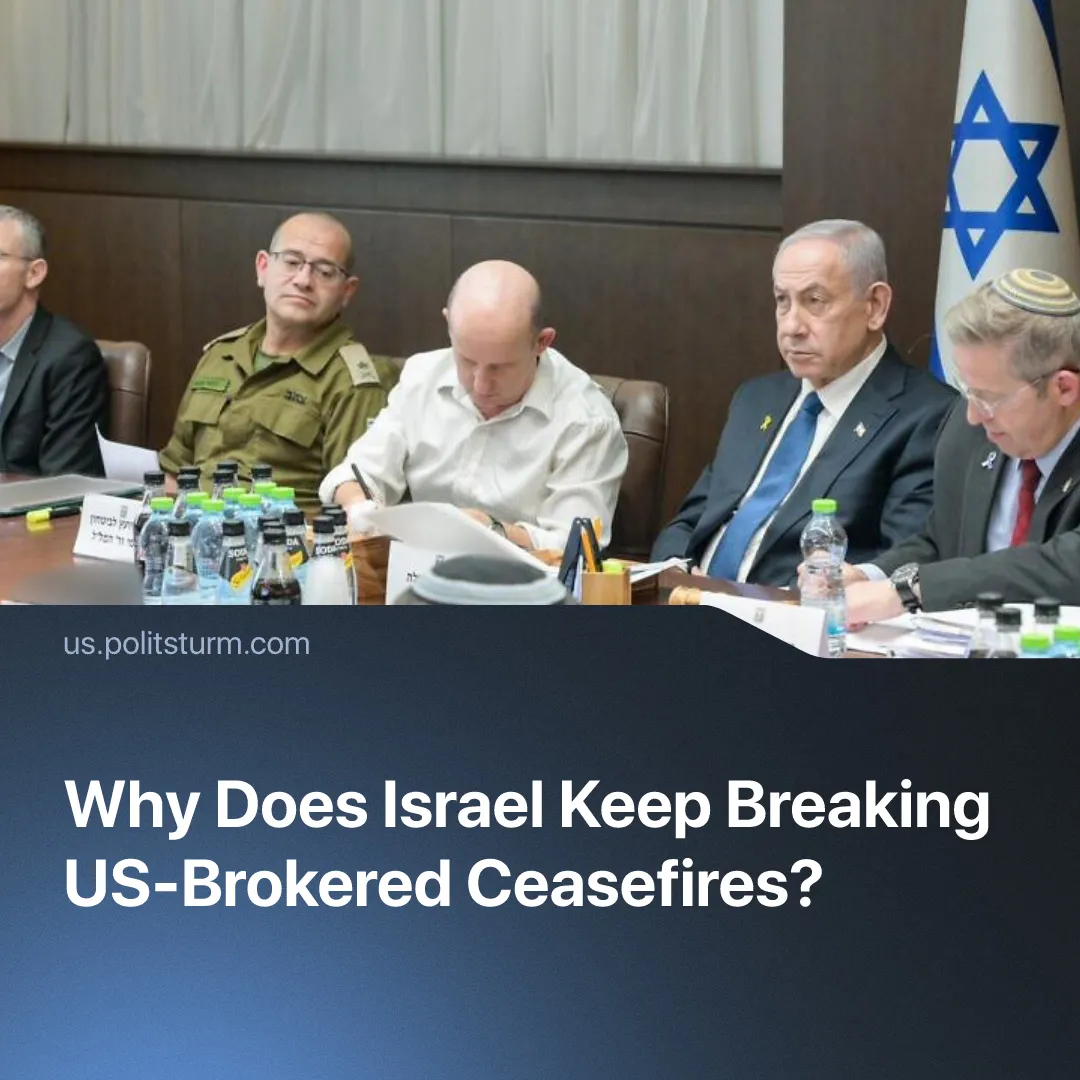
Trump said "too many people are being killed" by strikes in Lebanon as Israel continues to break the US-Iran ceasefire – why Israel and the US don't share the same interests in the Middle East.
Details. Although the United States and Israel fought on the same side in the 12-day war with Iran, they disagreed over its duration. Israel pushed for a longer conflict, while Washington concluded its immediate objectives had been achieved and sought to avoid broader regional escalation.
► Similar tensions emerged during Trump's "peace campaign" in Gaza. The White House sought a ceasefire and regional stabilisation with Western investment, while Israel continued military operations and has repeatedly strained ceasefire efforts, prompting Trump to contact Netanyahu directly after Israeli actions threatened the negotiations.
► During the US-Iran negotiations, Israel's continued strikes on Lebanon in violation of the ceasefire threatened the ongoing talks, causing Trump to express frustration and state that Netanyahu needed to be "more responsible." Netanyahu briefly agreed to halt strikes following discussions with Trump, but Israeli politicians accused him of yielding to American pressure and attacks on Lebanon resumed.
► The US-Iran memorandum was signed without Israel’s participation. Reports also indicated that Netanyahu requested access to the memorandum during negotiations, but Washington refused.
► Israel struck Lebanon shortly after the memorandum's signing, forcing a new ceasefire. Iran responded by again threatening to disrupt shipping through the Strait of Hormuz and suspended parts of the ongoing negotiation process. At a G7 meeting prior to this, Trump had criticised Israel's conduct in Lebanon, hypocritically citing unnecessary civilian deaths and suggesting Syria "would do a better job" handling Hezbollah.
Context. Israel and the US share a common enemy in Iran and its allies, but not a common strategy. Israel seeks prolonged military conflict to weaken regional rivals and consolidate its position, while the US aims for controlled operations that secure its immediate objectives without broader escalation.
► Permanent security threats also serve an important internal function for Israel. Sustained confrontation reinforces nationalism, justifies military policy, and suppresses class tensions that were increasingly visible before October 2023, including large labour protests and anti-government demonstrations.
► Despite these tensions, Israel remains heavily dependent on American military, diplomatic, and economic support, receiving billions in US aid and relying on Washington's backing internationally. Israel serves as a key American strategic outpost in the Middle East, keeping both states closely tied despite recurring policy conflicts.