

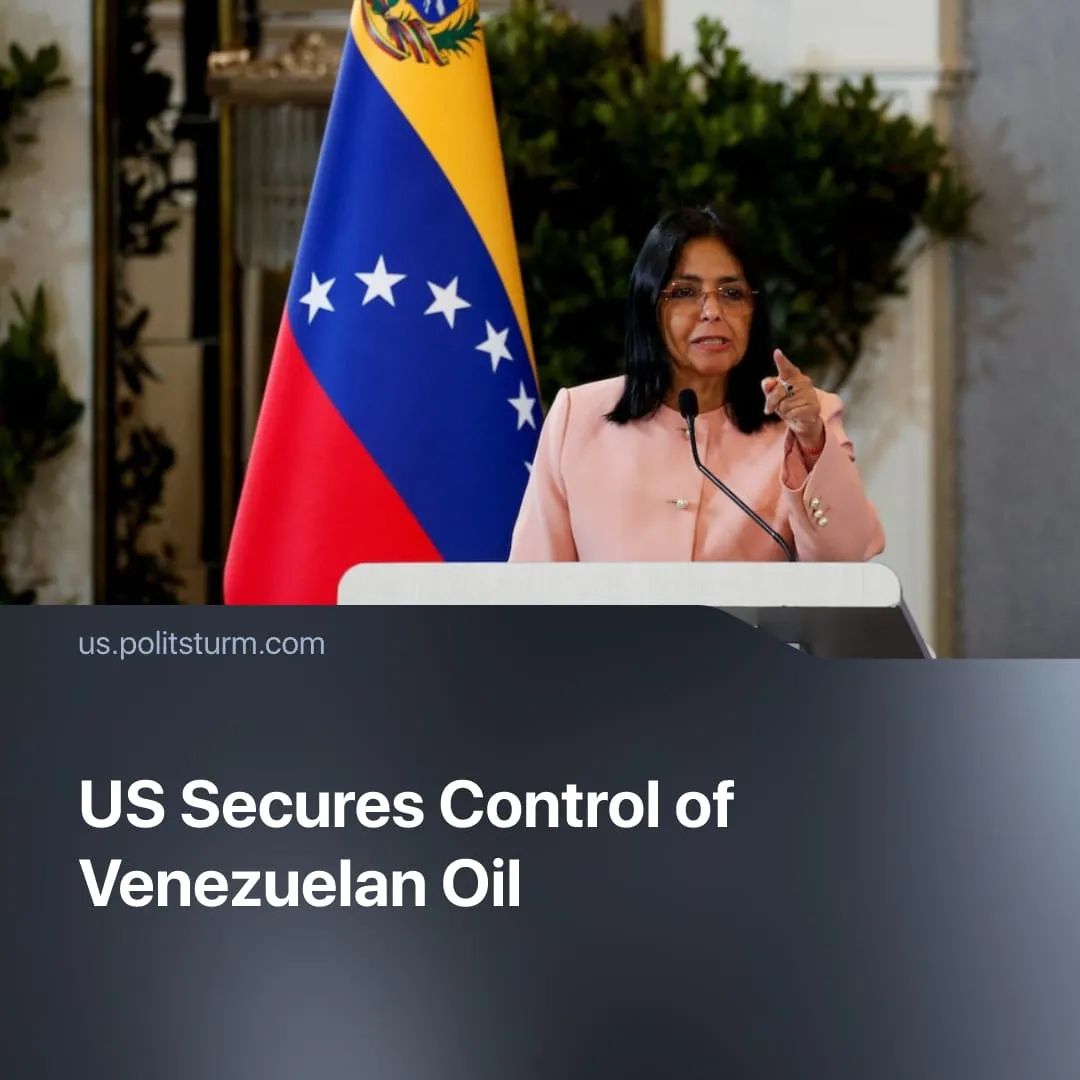
Trump secures “biggest oil deal in world history” through majority control of over 65 billion barrels of Venezuelan oil, kicking out Chinese and Russian capital and preparing for eventual conflict.
Details. The Trump administration has secured majority control over more than 65 billion barrels of proven Venezuelan oil reserves, exceeding the roughly 46 billion barrels within US territory. The agreement gives North American Blue Energy Partners (NABEP) 100-year concessions over 17 oil fields. The Department of War's Office of Strategic Capital will hold a 35% stake in NABEP's parent company.
► The State Department can purchase 20% of the oil at production cost and has first refusal on the remaining 80%. Washington will hold veto power over NABEP board appointments, with the board required to be majority-American.
► Alongside the NABEP deal, Chevron plans to invest more than $7 billion over five years, aiming to more than double its Venezuelan production to around 600,000 barrels per day.
► The agreement is displacing Chinese and Russian interests. NABEP is taking over Venezuelan fields previously operated by companies including Sinopec, CNPC and other Chinese and Russian-linked operators.
► This is a long-term project rather than an immediate solution to US energy needs. Much of the undeveloped acreage could take 7–10 years to bring into production, requiring billions of dollars in infrastructure investment.
Context. The Venezuela deal must be viewed within the broader US preparation for potential conflict with rival imperialist China. The growing confrontation includes trade wars, restrictions on Chinese investment and technology, military expansion, and the strengthening of US alliances in the Indo-Pacific.
► Washington has also directly attacked several states aligned with China, capturing Venezuelan President Nicolás Maduro, launching a war against Iran, and subsequently threatening military action against Cuba.
► Iran closed the Strait of Hormuz in response to US attacks, exposing the fragility of global oil supply chains. The US responded by releasing 172 million barrels from its Strategic Petroleum Reserve, which had fallen below 300 million barrels by August, its lowest level since 1983.
► For Washington to continue its hawkish approach to foreign policy and be prepared for conflict with China, it is looking at securing additional oil supplies in the Western Hemisphere, which would provide a long-term buffer against similar disruptions in the future. The profits from the oil trade will also help cover the rapidly ballooning military budget.