

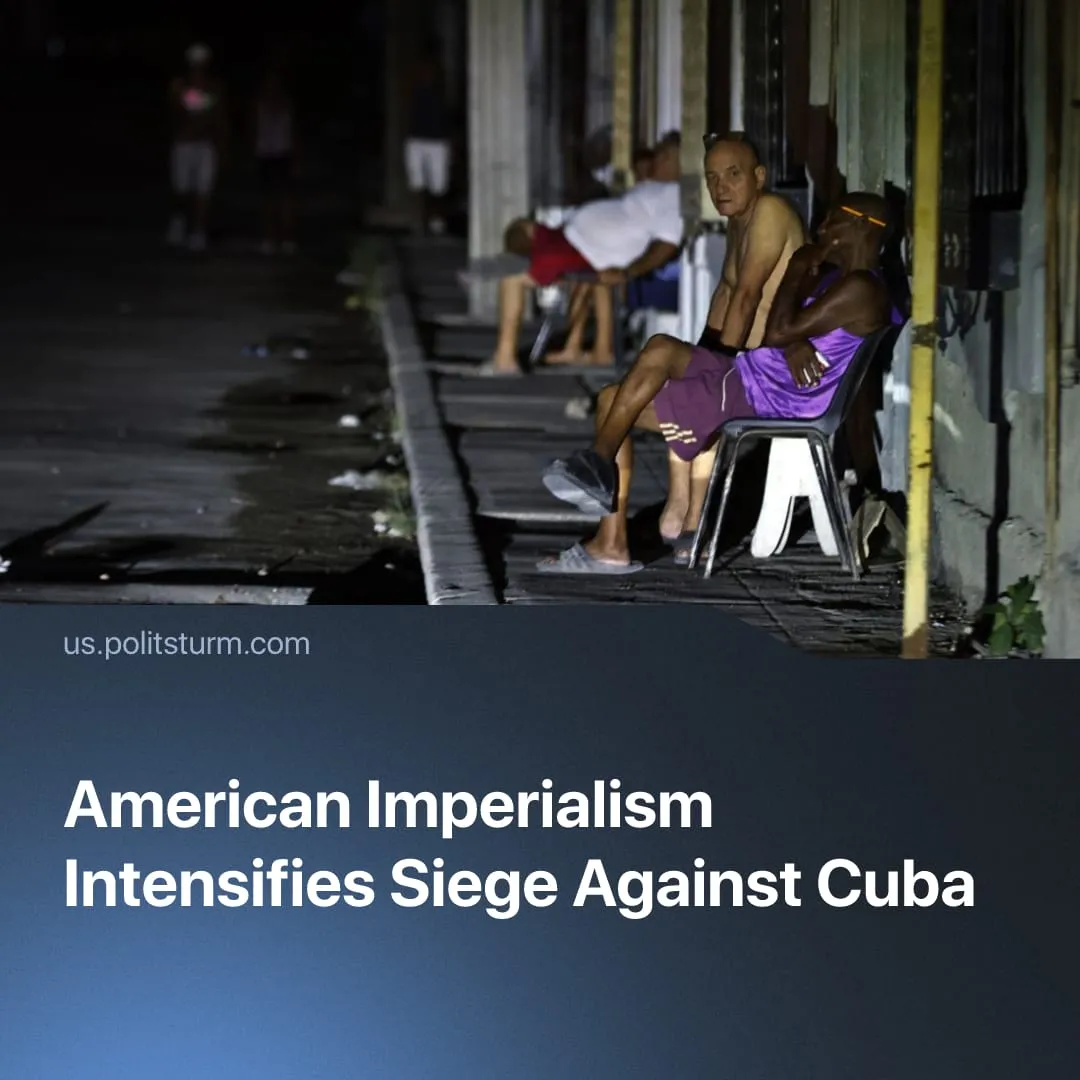
The US is escalating the energy crisis in Cuba. Similar measures were used before the strikes on Venezuela.
Details. On January 29, 2026, President Trump issued an executive order declaring a “national emergency” with respect to Cuba and authorising tariffs on any country that sells or provides oil to Cuba. The order invokes emergency economic powers to address what the US government describes as “threats to the United States by the Government of Cuba.”
► New tariffs authorised under presidential emergency powers target countries that supply oil to Cuba, directly striking at the island’s energy imports. Fuel shortages are already causing blackouts, affecting transport, tourism, electricity supply, and access to basic services.
► Trump and other US officials have previously stated that Cuba is “ready to fall.” He has also recently said that talks to reach an agreement and avoid a humanitarian crisis are already taking place.
► The Cuban government has publicly denied engaging in any official negotiations, admitting only to “communication,” and stated that it will resist US pressure. At the same time, US naval forces previously deployed around Venezuela remain active in the region, including north of Cuba.
Context. These developments take place in the context of the broader US campaign of pressure against China and its allies.
► In Venezuela, US sanctions and military actions were intensified to push the Maduro government into talks, despite public statements of resistance. After negotiations failed, the US attacked, resulting in the capture of Maduro.
► In Iran, the US has paired talks with sanctions and a military build-up in the Persian Gulf, including expanded naval deployments. President Trump publicly warned that Iran would face “serious consequences” should it reject American terms.
► In Cuba, capitalist elements have been strengthening for decades and will exert growing pressure toward a negotiated “deal” similar to Venezuela, where the interim leadership is openly aligning with the US interests.
► Cuba’s economy remains weak, poorly diversified, and dependent on larger imperialist powers, limiting its ability to withstand sustained economic pressure. The island produces only a small fraction of the oil it consumes and remains heavily reliant on imports – historically from Venezuela – whose reduced shipments have deepened the energy crisis.