

Congress voted to deepen integration between US and Israeli militaries. Days later, Trump signed a nuclear deal with Saudi Arabia that Israel says threatens its survival.
Details. The US House passed the 2027 National Defense Authorization Act (NDAA), legally integrating American and Israeli military capabilities under Section 224. House leadership blocked an amendment opposing the measure through an unrecorded voice vote, before securing final passage with a recorded vote of 216 to 212.
► Section 224 mandates joint weapons production and complete data fusion across artificial intelligence, biotechnology, quantum computing, and cyber operations. The legislation requires the defense secretary to appoint an executive agent to manage this combined intelligence network.
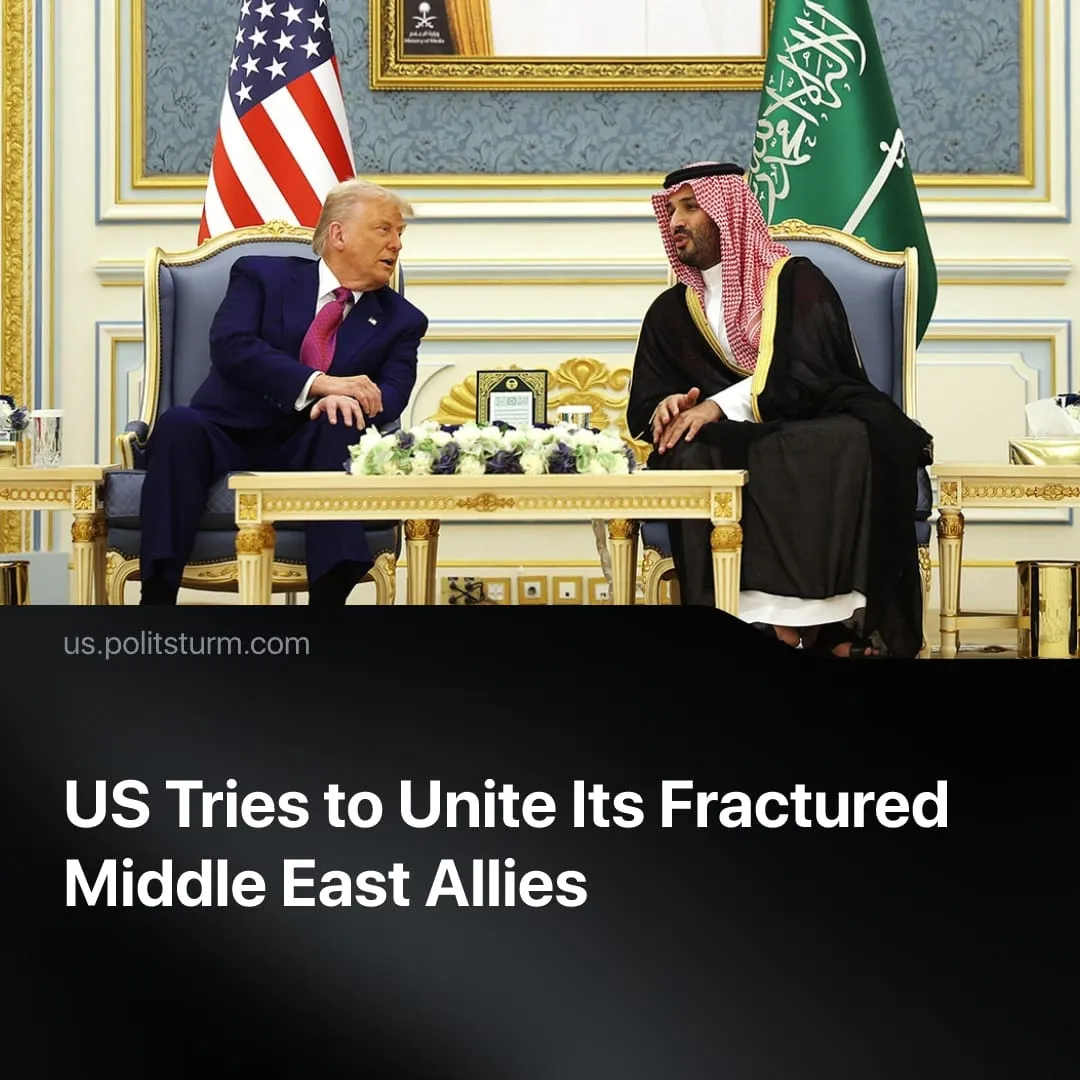
► Meanwhile, President Donald Trump signed a 30-year civil nuclear agreement granting Saudi Arabia advanced atomic technology and uranium enrichment pathways. Trump demanded Saudi Arabia officially recognize Israel to finalize the pact, though Saudi sources explicitly rejected this condition by stating the agreement was already signed without any normalization clauses.
► This bilateral deal bypasses the International Atomic Energy Agency, replacing standard global inspections with direct American oversight. Israeli officials condemned the agreement entirely, warning that Saudi nuclear enrichment directly threatens their national security.
Context. The United States and Israel maintain a relationship of mutual dependence. Washington relies on Israel as a military outpost within the region, while Israel depends on continuous American aid for its survival. This has sparked friction on both sides, with far-right Israeli opposition figures attacking Netanyahu for subservience to Washington, and a growing split within the US itself over the relationship.
► Washington is expanding strategic partnerships with Gulf states who share its objective of containing Iran, but whose long-term interests clash with Israel's. Saudi Arabia, which previously explored alternatives to US dependence, is now being brought back into the fold through the nuclear deal with Iran as the common opponent keeping these contradictions temporarily in check.
► Diverging imperialist interests over Iran and Palestine continue to spark diplomatic clashes in the region. The US seeks to preserve regional powers like Iran, pulling them into the Western camp without excessive destabilisation, whilst Israeli capital demands the complete destruction of its competitors. When unauthorized Israeli bombings threatened Trump's Iranian negotiations, he told Netanyahu "everybody hates Israel" and publicly suggested Syria replace the Israeli military campaign against Hezbollah.