

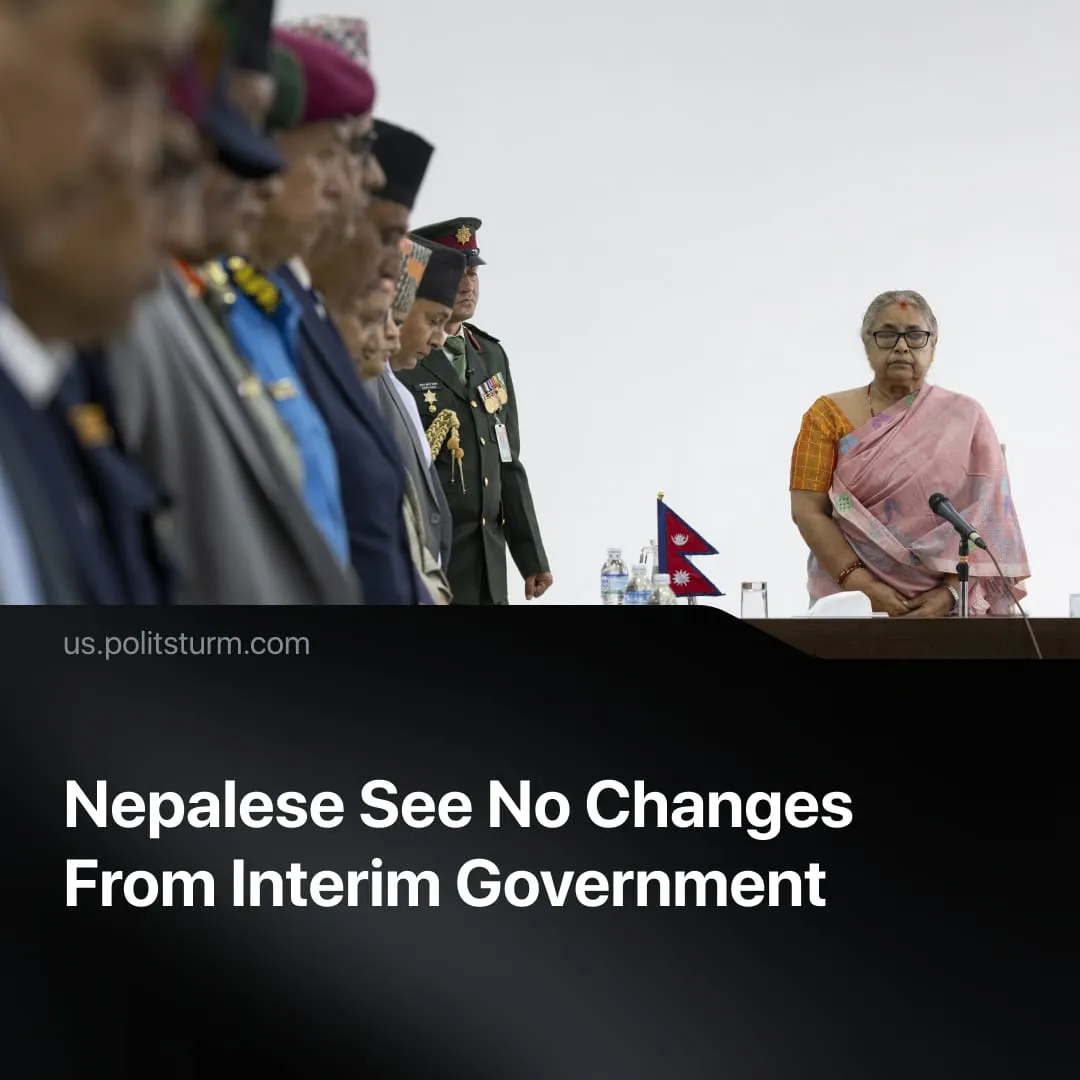
Some Nepalese are frustrated with the new Interim leadership they installed. Why is it failing to change workers’ living conditions?
Details. Even after large-scale protests in September 2025, which led to the formation of a new government, reports suggest that Generation Z protesters are frustrated with the transitional government.
► The Gen Z movement that led the protests has divided into factions with different views on the country’s future, such as Sudan Gurung’s reformist “Nami Nepal” faction, which demanded changes to the anti-corruption office, while other groups focused on electing a new prime minister.
► Despite promises to fight corruption, improve living standards, and create jobs, the interim Nepalese government has taken no substantial action, limiting itself to scheduling new elections for March. Former officials, including ex-Prime Minister KP Sharma Oli, are allowed to run, despite their roles in corruption scandals and their removal during the uprising.
Context. We previously reported on the protests, which began as youth-led demonstrations opposing the ban on major social media platforms. The demonstrations escalated into a revolt after the government opened fire on protesters. Official buildings were seized, parliament was set alight, and the government was paralyzed, forcing its resignation.
► Sushila Karki was appointed temporary prime minister. She was selected as a neutral head of the transitional government due to her promises to curb corruption and organize fair elections.
► A week after September’s events, ten “communist” parties in Nepal merged into a Nepali Communist Party (NCP) in an attempt to restore voters’ trust. The resigned Communist Party of Nepal (Unified Marxist–Leninist) will act as a separate party in the elections.
► The overthrown “Communist Party” represented the interests of the capitalist class. Its leader, Sharma Oli, visited China shortly before the protests, negotiating Nepal’s participation in Chinese economic projects. The policies of these “communists” increased unemployment and led to widespread labor migration and corruption.
► Lenin explained why changes in government personnel do not alter workers’ conditions under capitalism. Whatever the form of capitalist rule, it serves the same class interests: “Whatever guise a republic may assume, however democratic it may be, if it is a bourgeois republic, if it retains private ownership of the land and factories, and if private capital keeps the whole of society in wage-slavery… then this state is a machine for the suppression of [one class by another].”